Students Explore Agroecology & Indigenous Knowledge at Shashe School
- Posted by Seon Doka
- Categories Uncategorized
- Date June 10, 2026
- Comments 0 comment
The Soil is Our Last Bedroom: Students Bridge Indigenous Knowledge and Village Tourism
By Adelaide Ndlovu and Edmore Namasau
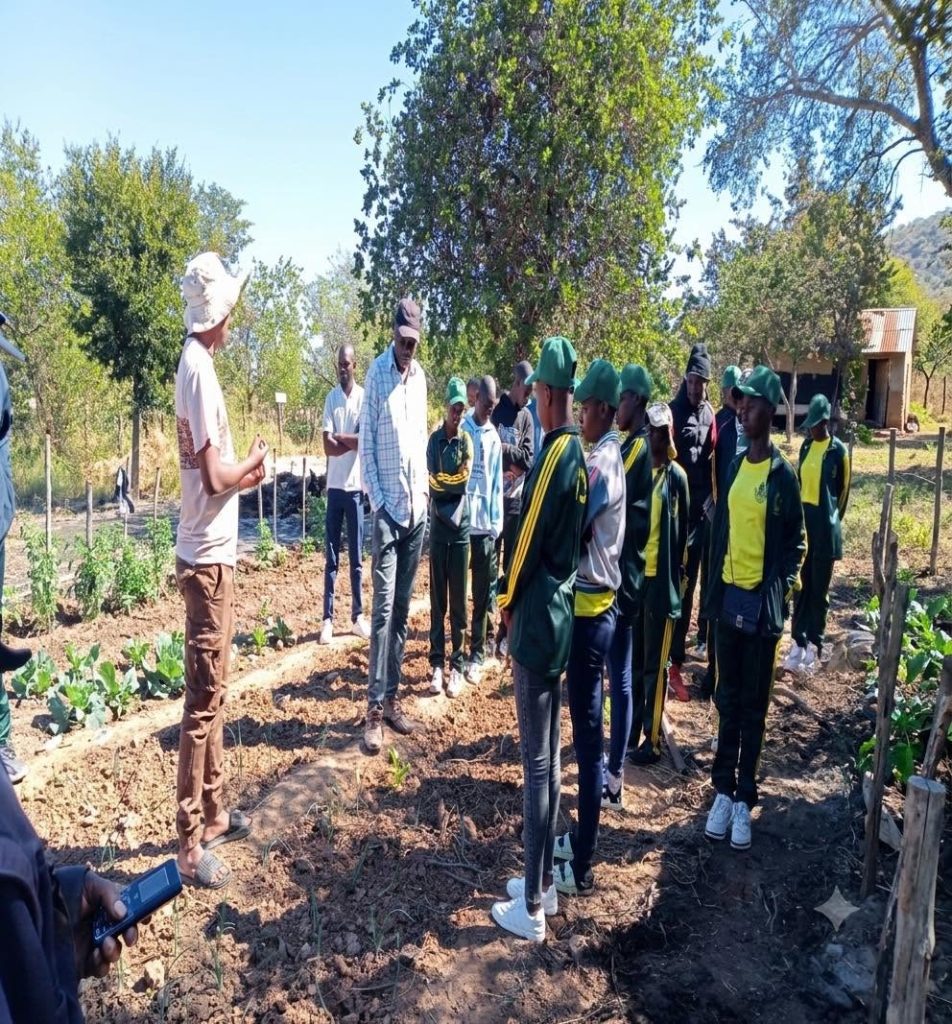
Last Monday, June 8 the quiet landscape near Mashava in the Masvingo District became a living classroom for twenty National Certificate students from the Zimbabwe Institute of Wildlife Conservation. Accompanied by the Institute’s Principal, Dr. G. Matipano, and Senior Lecturer Pedzisai Batisayi, the students traded their lecture halls for the fertile, forward-thinking grounds of the Shashe Agroecology School to witness firsthand how indigenous knowledge systems are shaping the future of sustainable living.
The visit was far from a conventional field trip. Upon arrival, the group was immersed in a guided exploration of a campus that breathes harmony with the environment. As they moved through the farms and gardens, students were presented with a masterclass in ecological agriculture, witnessing how natural methods can sustain communities while preserving the delicate balance of the local ecosystem.
A significant focus of the day was the school’s commitment to self-sufficiency and resource management. As students engaged in a practical lecture on the construction and operation of biogas digesters, which transform organic waste into clean cooking gas. The tour also highlighted the importance of apiculture, illustrating how beekeeping serves the dual purpose of supporting local livelihoods while ensuring vital crop pollination. Beyond the infrastructure, there was a profound appreciation for biodiversity; the students explored the school’s seed storage area, which guards the future of indigenous crops like nyevhe and finger millet, and learned about the medicinal and nutritional value of native herbs such as lemongrass and mint.
The emotional and intellectual core of the visit centered on the relationship between humanity and the earth. Nelson Mudzingwa, one of the guiding teachers, left the students with a powerful perspective during the tour. “We are connected with the environment, especially the soil, which is our last bedroom,” he remarked. That single, grounded sentiment seemed to crystallize the purpose of the trip: to remind the next generation of tourism and safari operators that true conservation is rooted in a deep, cultural respect for the land.
By integrating these traditional practices with the broader goals of Village Tourism, the visit served as a bridge between ancestral wisdom and the modern tourism industry. For the students of the Zimbabwe Institute of Wildlife Conservation, the experience was more than a record of agricultural techniques it was a call to action. They left the Shashe Agroecology School not only with a notebook full of practical skills but with a renewed commitment to promoting sustainable, environmentally friendly, and culturally grounded livelihoods within Zimbabwe’s thriving tourism sector.